

Easterseals Blake Foundation
Together we are building a Southern Arizona Community where all people live healthy, productive and independent lives!
DonateOur Mission Statement
Easterseals Blake Foundation is dedicated to the vision of a Southern Arizona community where all people live healthy, productive, and independent lives. EBF serves more than 40,000 individuals and families across 10 counties of Southern Arizona.
Easterseals Blake Foundation programs are in accordance with Federal Titles VI and VII requirements of the Civil Rights Act of 1964 (See Notices of Compliance: Easterseals Blake Foundation | Who We Are), the Americans with Disabilities Act of 1990 (ADA), Section 504 of the Rehabilitation Act of 1973, and the Age Discrimination Act of 1975.
This organization is an equal opportunity provider and employer.
Show Me Information For
Contact Us
Easterseals Blake Foundation
7750 E. Broadway Blvd., Suite A200
Tucson, AZ 85710
Phone: 520-327-1529
What's New At
Easterseals Blake Foundation

Recent Posts From
Easterseals
May 1, 2024
Earlier this month, Easterseals visited Washington D.C. to meet with representatives and share ways …

April 15, 2024
By Jeremy Johnson-Miller “How did you get here today?” For many, this may never be a second thought,…
April 2, 2024
By Grant Stoner As a medium, video games allow us to remain connected. Whether it’s long-distance re…
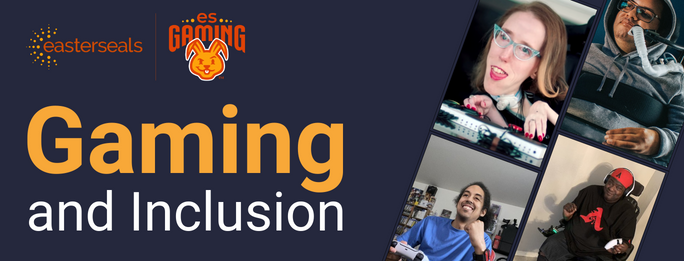
 “Streaming is both accessible and not accessible,” Evans said. “The streaming part itself is accessible, in that it allows me to make my own schedule, and I can work it around my disabilities. However, the inaccessible part is the demand for content creators to constantly be networking, attending events and continuously pushing out content. I cannot attend events, and if I can they’re incredible stressful, so all my work networking has basically been done online, which thankfully is becoming a more acceptable side of content creation.”
 “I must say over the years it has become less and less accessible for me,” Martínez said. “SMA (Spinal Muscular Atrophy) causes strength, endurance and mobility loss as time passes. I can’t use a physical keyboard as I used to, so it’s been years now with an on-screen keyboard. Voice dictation doesn’t work well for me due to my voice being inconsistent, not to mention my accent. In English it can go from totally wrong to acceptable. In Spanish, my native language, it works better.”
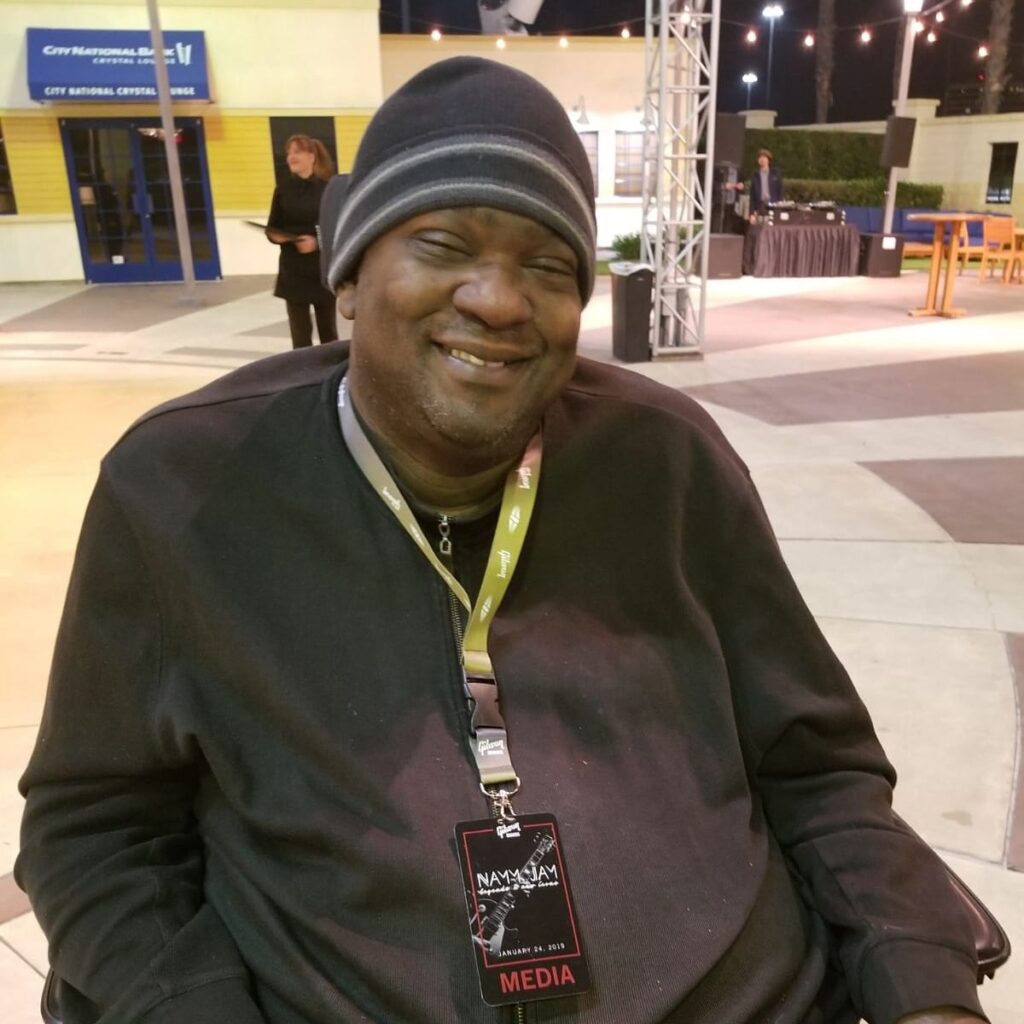 “What drew me to consulting was the opportunity to leverage my unique perspective as both an able-bodied and disabled gamer to improve the gaming experience for others,” Lane said. “I can share the frustrations I’ve faced as a disabled gamer and use that knowledge to advocate for better accessibility features. Companies and studios that I work with go the extra mile to make sure I have everything I need to succeed.”
March 13, 2024
Editor’s Note: This blog contains mentions of suicide, self-harm, and panic attacks. By Coty C…

February 28, 2024
By Mike Ervin Every once in a while, I have what I call a “green-bus nightmare”: I’m out…
 So in my nightmare, I’m mad as a hornet when I see the green bus go by. I say to myself, “What the hell is this? I thought those inaccessible buses were long gone!”
x

Brooke and Emily: Against the Odds

Quality First success story
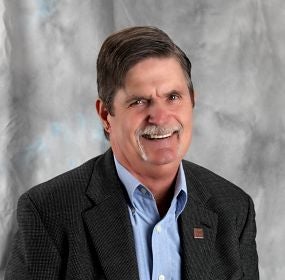
EBF's Inspiration & Namesake
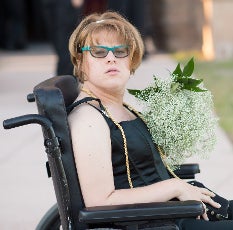
Tiffany: My Sister, My Maid of Honor
Featured Programs

Aviva Resource Closet
Aviva Children's Services is committed to helping children in foster care. Now in Yuma and Cochise as well! Aviva has recently expanded its Resource Program to Yuma and Cochise counties, where DCS and licensed workers can pick up essential items. Please call ahead for items.
Read More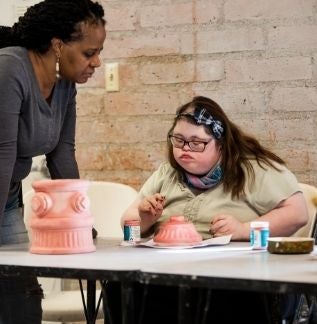
Sage Ceramics
SAGE Ceramics is a unique supported employment program for adults with intellectual and developmental disabilities. Employees work along side job coaches who provide on-the-job support to designs and manufactures high quality, handcrafted ceramic gifts. This program provides an excellent opportunity to gain experience and learn occupational skills related to the retail and wholesale gift industry. To purchase SAGE Ceramic products or to learn more, please call (520) 888-8588
Read More
Blake Behavioral Health
Easterseals Blake Behavioral Health serves children, adults and families across 9 counties of Southern Arizona. We offer trauma informed counseling and groups, parenting education and support, Applied Behavioral Analysis treatment, Substance-use counseling, employment services and medication management. We are here for you !
Read MoreWhen you make a donation to Easterseals, you help strengthen our mission to ensure everyone — regardless of age or ability — is fully included and empowered.

